
European project BT4ChildLC advances precision medicine for childhood liver cancer
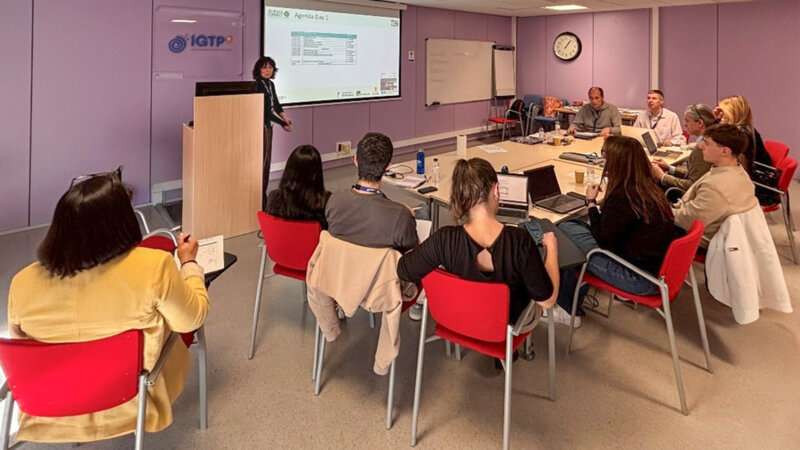
The European project BT4ChildLC, led by the Germans Trias i Pujol Research Institute (IGTP), has laid the foundations for more precise diagnosis and treatment strategies for childhood liver cancer by combining large-scale biological data with advanced preclinical models.
Childhood liver cancer, mainly hepatoblastoma, is a very rare disease that can be difficult to treat. Although most children respond well to current therapies, around 20% develop aggressive tumours that do not respond to treatment or relapse.
While survival rates have improved significantly, many patients still experience severe long-term side effects from intensive treatments, including hearing loss and cardiac toxicity. Treatment decisions are still largely based on clinical features rather than tumour biology, highlighting the need for more personalised and less toxic approaches.
To address these challenges, the BT4ChildLC project was launched as a collaborative effort bringing together clinical, molecular and computational expertise across Europe. The project coordinated and led by Dr Carolina Armengol, principal investigator of the Childhood Liver Oncology Group (c-LOG) at IGTP, includes Drs Roland Kappler, Martina Pigazzi, Madhumita Dandapani and Ronald R. de Krijger, from the Ludwig Maximilian University of Munich (Germany), the Istituto di Ricerca Pediatrica (Italy), the University of Nottingham (UK) and the Princess Máxima Center for Pediatric Oncology (the Netherlands), respectively.
The project aimed to advance biology-driven precision medicine by integrating a unique European biorepository with multi-omics analyses and innovative patient-derived models. It has been funded by the Fight Kids Cancer Programme, a European initiative supported by several childhood cancer foundations: Imagine for Margo, KickCancer, Fondatioun Kriibskrank Kanner, Federazione italiana Associazioni Genitori e Guariti Oncoematologia Pediatrica and CRIS Cancer Foundation. The initiative was structured around several interconnected work packages covering the full translational pipeline, from patient samples to preclinical validation.
Building a unique European research platform
A key component was the consolidation and use of the European PHITT biorepository, with more than 3,500 biological samples from over 400 patients across Europe mostly centralised and managed at IGTP, enabling the creation of a large, integrated clinical and molecular dataset.
Researchers combined genomic, transcriptomic, proteomic and metabolomic analyses to better understand the biological diversity of childhood liver tumours and identify molecular features associated with prognosis and treatment response. To translate these findings into potential therapies, the consortium developed and expanded a range of experimental in vitro and in vivo models, including patient-derived cell lines and xenografts (PDX). These models enabled researchers to test candidate drugs and explore new therapeutic strategies in systems that closely resemble patient tumours.
From biomarkers to therapeutic opportunities
One of the main achievements of the project has been the validation of a molecular risk stratification system, published by the c-LOG team in 2020, combining genetic and epigenetic biomarkers to better classify patients according to their prognosis. Notably, two circulating proteins were identified as potential plasma biomarkers, opening the door to less invasive, liquid biopsy-based approaches for patient stratification. These discoveries have the potential to complement current clinical criteria and improve treatment decisions.
The project also identified multiple therapeutic targets in aggressive tumours, including pathways related to MYC signalling and metabolic alterations.
Several of these findings were validated in preclinical models. In particular, MYC inhibition using OMOMYC showed clear antitumour activity in both in vitro and in vivo patient-derived models. In addition, a novel antibody-based immunotherapy demonstrated promising results, particularly when combined with standard chemotherapy, supporting its potential for future clinical translation.
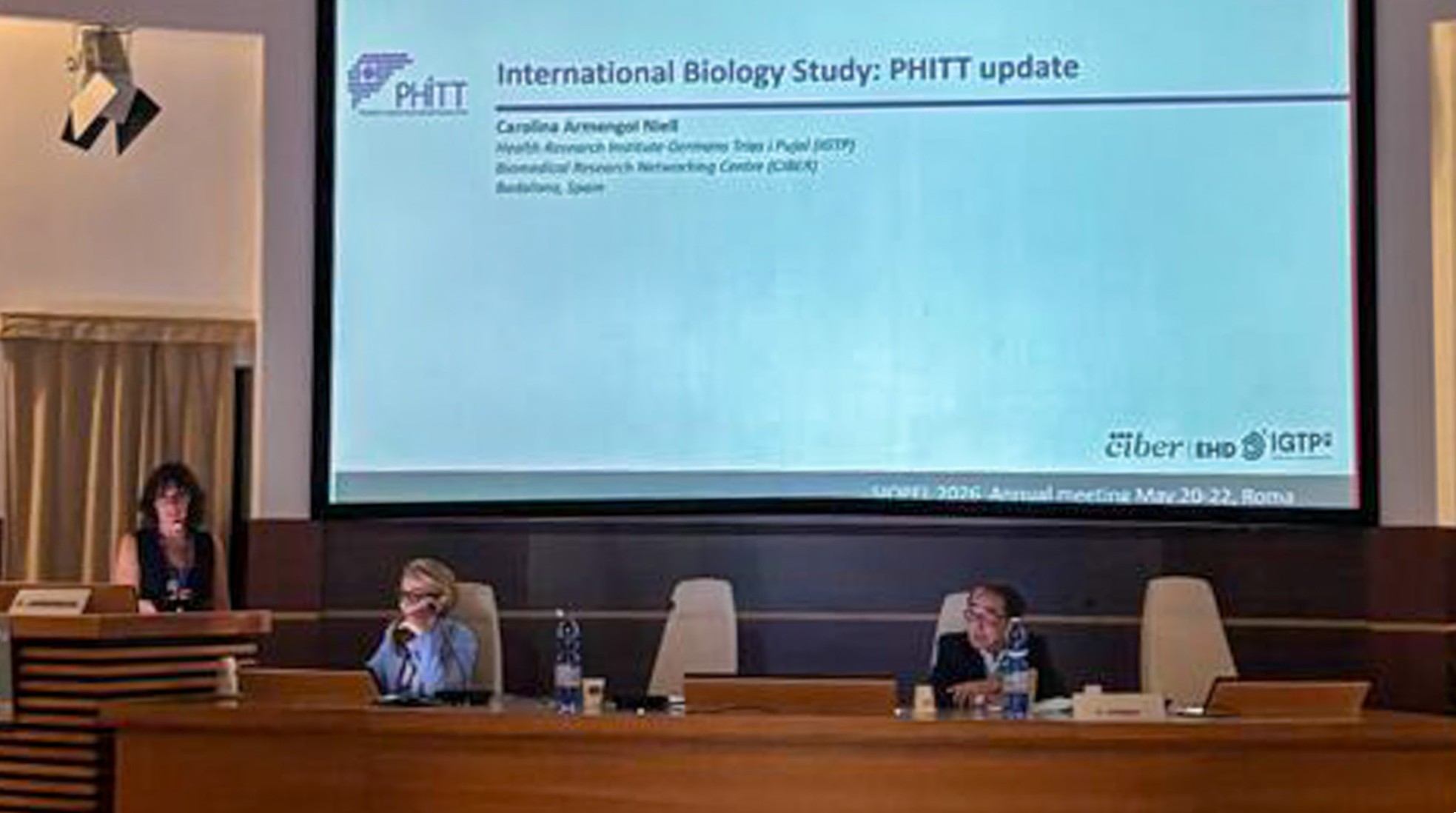
The final project results were presented last week in three different talks at the meeting of the Société Internationale d'Oncologie Pédiatrique - Epithelial Liver Tumour Group (SIOPEL) in Rome.
Building the foundations for future clinical impact
Although some clinical data from the PHITT trial are still pending, the project has already established a strong framework for future international studies integrating European, US and Japanese cohorts. The results generated through BT4ChildLC are expected to contribute directly to upcoming clinical initiatives, such as future iterations of the PHITT trial, and to support the development of precision medicine strategies tailored to paediatric liver cancer patients. Further validation will be needed before these findings can be implemented in routine clinical practice.
"BT4ChildLC has helped us better understand how biological differences between tumours can guide more tailored treatment approaches", says Dr Carolina Armengol, coordinator of the project at IGTP. "Ultimately, this work aims not only to improve survival, but also to reduce long-term impact of treatment on patients' quality of life. These results provide a solid basis for future studies and highlight the importance of international collaboration in advancing research into rare paediatric cancers".