
Germans Trias Hospital launches the first screening program in Catalonia to detect type 1 diabetes before the onset of symptoms
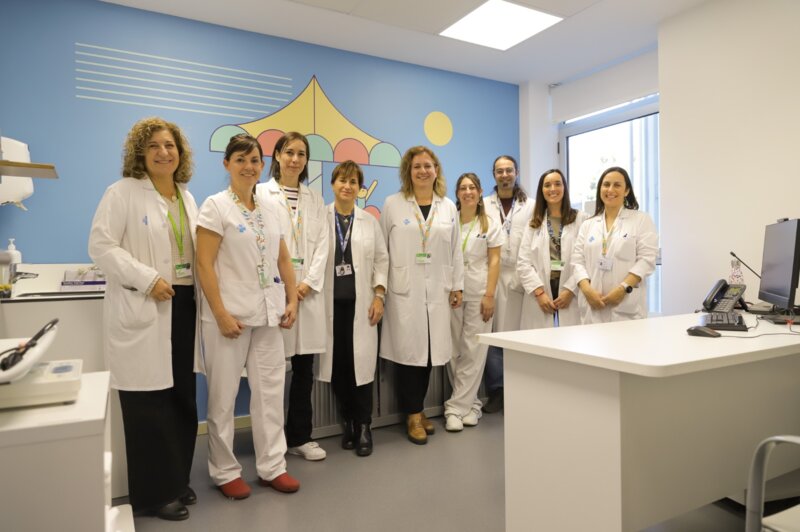
Early diagnosis can help prevent serious complications, reduce hospital admissions and minimise the impact of disease onset in children and adolescents
Germans Trias Hospital has implemented, for the first time in Catalonia, a screening program to detect the onset of type 1 diabetes at preclinical stages; that is, before the first symptoms appear. The aim is to delay and ease the transition to the symptomatic phase and to prevent some of the serious complications that this disease often causes at the time of diagnosis.
Type 1 diabetes (T1D) is an autoimmune disease in which the immune system progressively destroys the beta cells of the pancreas that produce insulin, the hormone that regulates blood glucose levels. T1D typically appears in childhood, adolescence and early adulthood, and currently the only available treatment - not a cure - is insulin administration.
Specific antibodies against pancreatic beta cells are "the key tool for identifying the earliest stages of the disease before symptoms appear", explains Bibiana Quirant, immunologist at Germans Trias. This early detection is carried out through a blood test.
Since last year, international clinical guidelines have recommended the early diagnosis of this disease at preclinical stages. Although patients will eventually develop the disease over time, early detection can help in several ways: by enabling earlier diabetes education, promoting healthy dietary and lifestyle habits, and scheduling health monitoring to assess disease progression-measures that these individuals would not have accessed without an early diagnosis.
Eva Martínez Cáceres, Head of the Hospital's Immunology Service and of the Immunopathology Group at the Germans Trias i Pujol Research Institute (IGTP), defines T1D as "a silent and latent disease", and points out that months or even years may pass between the generation of autoantibodies-biomarkers of the onset of destruction-and the clinical manifestation of the disease. "Gaining time through early detection of this form of diabetes would prevent severe cases, many of which currently end up in intensive care units or require prolonged hospital stays," adds Marta Murillo, paediatric endocrinologist at Germans Trias.
One such severe condition is diabetic ketoacidosis, which often leads to ICU admission for around half of patients under 18 years of age diagnosed with T1D. This could be avoided, for example, by initiating insulin treatment when necessary in patients whose screening confirms autoimmunity against beta cells but who have not yet developed symptoms.
"When a child presents with diabetes, parents arrive at the emergency department without knowing what is happening, and the situation often results in a week-long hospital admission following a shocking diagnosis that will affect them for the rest of their lives," explains Martínez Cáceres. "Knowing in advance-well before symptoms appear-that their child will develop T1D, and that it can be managed gradually with insulin or through lifestyle adaptations, will help families make a smoother and less abrupt transition to the disease, come to terms with it better, and avoid clinically relevant complications," adds Murillo.
In addition, these screening programs aimed at early detection of future T1D patients are beginning to spread worldwide for another reason: the approval-still pending by the European Medicines Agency-of a new drug that has been shown to be effective in slowing progression to symptomatic stages (insulin initiation) for a period of time, while awaiting the approval of other treatments.
For all these reasons, a year and a half ago Germans Trias Hospital set up a cross-disciplinary group, including professionals from Endocrinology, Paediatrics, Immunology, Clinical Biochemistry, as well as from the Immunopathology and Immunology of Diabetes groups at the Germans Trias i Pujol Research Institute (IGTP), among others, to carry out this screening program. Each member contributes unique and essential expertise to ensure the implementation and sustainability of early detection and intervention in T1D.
Initially, the screening targets a population group at higher risk: children who have a sibling or a parent diagnosed with T1D. To date, nearly ninety children have been screened, and in four of them blood tests have detected the presence of autoantibodies confirming the early presence of the disease. Since then, these four children have been monitored at the Diabetes Unit.
