
About
The Oncology Translational Research (OTR) Group is dedicated to advancing research with direct clinical applicability, with a particular focus on overcoming therapeutic resistance in cancer. The group addresses one of the most pressing challenges in oncology: treatment failure driven by tumour adaptation and resistance, which significantly limits long-term patient outcomes.
The group's research is guided by three primary objectives:
- To elucidate the molecular and cellular mechanisms underlying resistance to cancer therapies
- To develop predictive models and biomarkers that support precision medicine approaches
- To improve treatment efficacy through the design of personalised therapeutic strategies
OTR's activities are organised into three core research areas:
- Mechanisms of resistance. The group investigates the cellular and molecular pathways that drive therapeutic resistance in cancer. Through an integrative approach combining cellular, biochemical, genetic, and computational methodologies, the team aims to identify novel biomarkers and actionable therapeutic targets.
- Patient-Derived Organoid (PDO) models. To enhance the translational relevance of preclinical studies, the group develops three-dimensional organoid models derived from patient tumours. These models more accurately recapitulate tumour biology than traditional cell lines, providing a robust platform for drug screening and functional studies.
- Non-genetic tumour evolution. The group explores how cancer cells adapt to treatment through non-genetic mechanisms, including epigenetic reprogramming and phenotypic plasticity. This research seeks to uncover strategies to prevent or overcome adaptive resistance.
A major challenge in translational oncology lies in accurately modelling the complexity of tumour heterogeneity and the tumour microenvironment, both of which are critical determinants of treatment response and resistance. Replicating these features in experimental systems remains difficult. Furthermore, translating mechanistic insights into clinically actionable strategies is hindered by the dynamic and multifactorial nature of resistance, involving both genetic and non-genetic processes.
By integrating diverse experimental and computational approaches, the Oncology Translational Research Group aims to advance our understanding of cancer biology and contribute to the development of more effective and durable therapeutic strategies.
Keywords: oncology, translational research, drug response, therapeutic resistance, preclinical models, ovarian cancer, colorectal cancer.
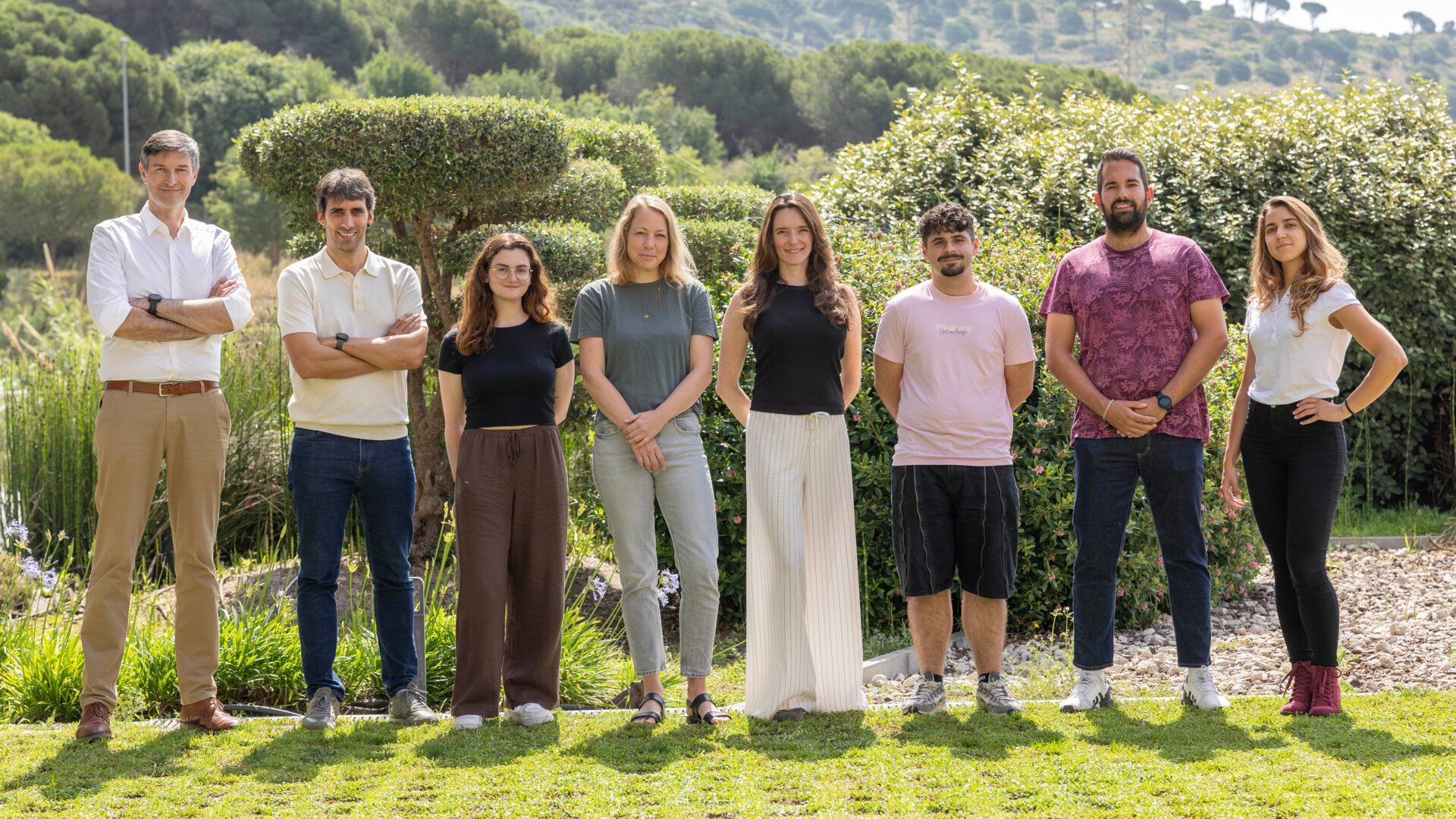
Group leader
- Jordi Barretina
Jordi Barretina
Dr Jordi Barretina has over 20 years of experience in multidisciplinary research environments, spanning leading academic institutions and the pharmaceutical industry, with a strong focus on genomics and cancer precision medicine.
As a postdoctoral fellow at the Dana-Farber Cancer Institute (Harvard Medical School), he led the Sarcoma Genome Project in collaboration with Memorial Sloan Kettering Cancer Center, identifying subtype-specific genomic alterations that revealed novel therapeutic targets in soft tissue sarcomas (Barretina et al., Nat Genet, 2010). At the Broad Institute of MIT and Harvard, he was a lead scientist of the Cancer Cell Line Encyclopedia, a landmark industry-academia initiative that integrated genomic and pharmacological data from nearly 1,000 cancer cell lines to systematically predict drug response (Barretina et al., Nature, 2012; Ghandi et al., Nature, 2019).
He later joined the Novartis Institutes for Biomedical Research (NIBR) as a Laboratory Head, where he led translational efforts across multiple drug development programmes. He also led the West Africa Breast Cancer Study, a major effort to characterise the genomic landscape of breast tumours in women of African ancestry (Pitt et al., Nat Commun, 2018).
After returning to Spain in 2017, Dr Barretina became Director of the Institut d'Investigació Biomèdica de Girona (IDIBGI), before moving in late 2020 to the Institut Germans Trias i Pujol (IGTP), where he currently serves as Director. Since founding the OTR Group in 2021, his research has initially focused on applying spatial transcriptomics to study ovarian cancer treatment response and on developing advanced preclinical models of the disease.
ORCID: 0000-0002-3478-4080
Contact: jbarretina(ELIMINAR)@igtp.cat
Team
Consolidated researcher
Oskar Marin(ELIMINAR)
Postdoctoral fellows
Arola Fortian(ELIMINAR) – Scientific Coordinator
Sara Bystrup(ELIMINAR)
PhD student
Laura Torres(ELIMINAR)
Master's student
Ariadna Salas(ELIMINAR)
Erasmus student
Inka D. Brunke(ELIMINAR)
Technician
Maria Antigoni Kanellopoulou(ELIMINAR)
Research lines
Multi-omics approaches to cancer research
PI: Dr Jordi Barretina
The group applies an integrative multi-omics and translational approach to characterise the molecular landscape of difficult-to-treat tumours. In close collaboration with clinical teams and research partners, genomic, transcriptomic, and spatial profiling technologies are used to identify biomarkers of drug response and resistance. Findings are functionally validated using in vitro systems, including patient-derived models. By elucidating the mechanisms underlying therapeutic resistance, this line of research aims to inform the development of more effective, clinically relevant treatment strategies.
Organoid-based platforms for precision oncology
PI: Dr Jordi Barretina
Patient-derived organoids (PDOs) represent a major advance in preclinical cancer modelling. These three-dimensional structures preserve key features of the original tumour, including architecture and cellular heterogeneity, and enable robust, scalable drug testing.
The group is developing standardised protocols to generate PDOs from primary and metastatic tumours across multiple cancer types, including ovarian and colorectal cancer. These models provide a physiologically relevant platform to study tumour biology, therapeutic response, and resistance mechanisms in a patient-specific context. Their integration into preclinical pipelines aims to enhance the predictive power of drug screening and support the development of personalised treatment strategies.
Non-genetic tumour evolution and drug tolerance
PI: Dr Oskar Marín-Béjar
Dr Marín-Béjar, a Ramón y Cajal researcher and emerging group leader at IGTP, focuses on the role of non-genetic mechanisms in cancer progression and treatment resistance. His work integrates single-cell and multi-omics technologies to study transcriptional regulation in cancer. His research specifically addresses how drug-tolerant persister (DTP) cells survive therapy and transition into stable, drug-resistant states that drive disease relapse. Using advanced tools such as clonal tracing systems (e.g., the Watermelon system), his group investigates the epigenetic and chromatin changes underpinning this process. This work aims to identify new strategies to prevent or reverse adaptive resistance in cancer.
Active projects
ImmunOC: Inmunooncología en Cáncer de Ovario
PI: Jordi Barretina
Funding agency: Ministerio de Ciencia e Innovación (MCINN) / Instituto de Salud Carlos III / NextGenerationEU
Agency code: PI23/01755
Duration: 2024 - 2026
Exploring the feasibility of predictive and pharmacodynamics biomarkers of immunotherapy in solid tumors (Immune-4ALL)
PI: Enrique de Ávila / PI-task: Jordi Barretina
Funding agency: Instituto de Salud Carlos III (ISCIII)
Agency code: PMP22/00054
Duration: 2023 - 2026
Ramon y Cajal program
PI: Oskar Marin-Bejar
Funding agency: Ministerio de Ciencia e Innovación (MCINN)
Agency code: RYC2021-032129-I
Duration: 2023 - 2027
MT4PO: New models & tools in precision Oncology; SGR-Cat 2021
Funding agency: Agència de Gestió d'Ajuts Universitaris i de Recerca, AGAUR
Start date: 2022
Plan de Generación de Conocimiento
PI: Oskar Marin-Bejar
Funding agency: Ministerio de Ciencia e Innovación (MCINN)
Agency code: PID2022-143208OA-I00
Duration: 2024 - 2027
Contrato FPI-2022
PI: Oskar Marin-Bejar
Funding agency: Ministerio de Ciencia e Innovación (MCINN)
Agency code: FPI-PREP2022-000702.
Affiliation Institut de Recerca Germans Trias i Pujol (Badalona, Barcelona, Spain)
Duration: 2024 - 2028
Scientific publications
Highlighted publications
Solé-Blanch C, España S, de la Puente-Noel A, Marin-Béjar O, Manzano JL, Martinez-Cardús A. Same mutation, different fates: The Yin-Yang of BRAF-driven therapeutic responses in melanoma and colorectal cancer. Biochim Biophys Acta Rev Cancer. 2026 Feb;1881(1):189503. DOI: 10.1016/j.bbcan.2025.189503.
Pera J, Romero-Moya D, Torralba-Sales E, Andersson R, García-Hernández V, Magallon-Mosella M, Distefano M, Berenguer Balaguer C, Castaño J, De Giorgio F, Qiu Z, Iglesias A, Spurk P, Montserrat-Vazquez S, Pasquali L, Liang Z, Català A, Florian MC, Wlodarski MW, Bigas A, Marin-Bejar O, Giorgetti A. Human iPSCs-based modeling unveils SETBP1 as a driver of chromatin rewiring in GATA2 deficiency. Nat Commun. 2025 Nov 17;16(1):10035. DOI: 10.1038/s41467-025-65806-9.
Hernáez Á, Camps-Vilaró A, Polo-Alonso S, Subirana I, Ramos R, de Cid R, Rodríguez-Artalejo F, Elosua R, Chirlaque MD, Amiano P, Bermúdez-López M, Guevara M, Cinza-Sanjurjo S, Sánchez MJ, de León AC, Laclaustra M, Rojo-Martínez G, Guembe-Suescun MJ, Pérez-Gómez B, Vega-Alonso T, Torán-Monserrat P, Lora-Pablos D, Huerta JM, Valdivielso JM, Dégano IR, Félix-Redondo FJ, Gandarillas AM, Valdés S, Mundet-Tuduri X, Sánchez PL, Martín-Sánchez V, Rigo F, Alonso-Sampedro M, Moreno-Iribas C, Martín-Escudero JC, Delgado E, Grau M, Urrutia I, Ovejero D, Quintela I, Martí-Lluch R, Blay N, Banegas JR, Tizón-Marcos H, Gómez JH, Aizpurua A, Castro-Boqué E, Delfrade J, Prieto-Díaz MÁ, Rodríguez-Barranco M, Almeida-González D, Moreno-Franco B, Oualla-Bachiri W, Sayón-Orea C, Plans-Beriso E, Lozano JE, López-Lifante VM, Cancelas-Navia P, Cabrera-Castro N, Cambray S, Zacarías-Pons L, Fernández-Bergés D, Donoso-Navarro E, Maldonado-Araque C, Franch-Nadal J, Dorado-Díaz PI, Villarín-Castro A, Frontera-Juan G, Gude F, Andueza N, Téllez-Plaza M, Ares-Blanco J, Cruz R, Ribas-Aulinas M, Barretina J, Guallar-Castillón P, Caínzos-Achirica M, Colorado-Yohar SM, Llorente A, Diaz-Tocados JM, Ardanaz E, Micó-Pérez RM, Fernandez-Martinez NF, Del Cristo Rodríguez-Pérez M, Cenarro A, Calle-Pascual AL, Marrugat J. Cohort profile: the CORDELIA study (Collaborative cOhorts Reassembled Data to study mEchanisms and Longterm Incidence of chronic diseAses). Eur J Epidemiol. 2025 May;40(5):581-599. DOI: 10.1007/s10654-025-01229-6.
Romero-Moya D, Pera J, Marin-Bejar O, Torralba-Sales E, Murillo-Sanjuán L, Diaz-de-Heredia C, Montoro J, Rodríguez-Ubreva J, Liquori A, Cervera J, Wlodarski MW, Català A, Giorgetti A. Multiple phenotypes and epigenetic profiles in a three-generation family history with GATA2 deficiency. Leukemia. 2025 Apr;39(4):962-966. DOI: 10.1038/s41375-025-02519-4.
Theunis K, Vanuytven S, Claes I, Geurts J, Rambow F, Brown D, Van Der Haegen M, Marin-Bejar O, Rogiers A, Van Raemdonck N, Leucci E, Demeulemeester J, Sifrim A, Marine JC, Voet T. Single-cell genome and transcriptome sequencing without upfront whole-genome amplification reveals cell state plasticity of melanoma subclones. Nucleic Acids Res. 2025 Mar 20;53(6):gkaf173. DOI: 10.1093/nar/gkaf173.
Sibai M, Cervilla S, Grases D, Musulen E, Lazcano R, Mo CK, Davalos V, Fortian A, Bernat A, Romeo M, Tokheim C, Barretina J, Lazar AJ, Ding L; DUTRENEO Study Investigators; Grande E, Real FX, Esteller M, Bailey MH, Porta-Pardo E. The spatial landscape of cancer hallmarks reveals patterns of tumor ecological dynamics and drug sensitivity. Cell Rep. 2025 Feb 25;44(2):115229. DOI: 10.1016/j.celrep.2024.115229.
Vasileva F, Font-Lladó R, López-Ros V, Barretina J, Noguera-Castells A, Esteller M, López-Bermejo A, Prats-Puig A. An Integrated Neuromuscular Training Intervention Applied in Primary School Induces Epigenetic Modifications in Disease-Related Genes: A Genome-Wide DNA Methylation Study. Scand J Med Sci Sports. 2025 Jan;35(1):e70012. DOI: 10.1111/sms.70012.
Boos J, van der Made CI, Ramakrishnan G, Coughlan E, Asselta R, Löscher BS, Valenti LVC, de Cid R, Bujanda L, Julià A, Pairo-Castineira E, Baillie JK, May S, Zametica B, Heggemann J, Albillos A, Banales JM, Barretina J, Blay N, Bonfanti P, Buti M, Fernandez J, Marsal S, Prati D, Ronzoni L, Sacchi N; Spanish/Italian Severe COVID-19 Sequencing group; GenOMICC Investigators; Schultze JL, Riess O, Franke A, Rawlik K, Ellinghaus D, Hoischen A, Schmidt A, Ludwig KU. Stratified analyses refine association between TLR7 rare variants and severe COVID-19. HGG Adv. 2024 Oct 10;5(4):100323. DOI: 10.1016/j.xhgg.2024.100323.
Marin-Bejar O, Romero-Moya D, Rodriguez-Ubreva J, Distefano M, Lessi F, Aretini P, Liquori A, Castaño J, Kozyra E, Kotmayer L, Bueno C, Cervera J, Rodriguez-Gallego JC, Nomdedeu JF, Murillo-Sanjuán L, De Heredia CD, Pérez-Martinez A, López-Cadenas F, Martínez-Laperche C, Dorado-Herrero N, Marco FM, Prósper F, Menendez P, Valcárcel D, Ballestar E, Bödör C, Bigas A, Catalá A, Wlodarski MW, Giorgetti A. Epigenome profiling reveals aberrant DNA methylation signature in GATA2 deficiency. Haematologica. 2023 Sep 1;108(9):2551-2557. DOI: 10.3324/haematol.2022.282305.
Barretina-Ginesta MP, Carbó Bagué A, Gallardo A, Sabaté Ortega J, Brunet J, Peralta S, et al. Clinical features of long-term survivors with advanced high-grade serous ovarian cancer. J Clin Oncol. 2023 May 31;41(16 Suppl):e17575. DOI: 10.1200/JCO.2023.41.16_suppl.e17575.
Tiedt R, King FJ, Stamm C, Niederst MJ, Delach S, Zumstein-Mecker S, Meltzer J, Mulford IJ, Labrot E, Engstler BS, Baltschukat S, Kerr G, Golji J, Wyss D, Schnell C, Ainscow E, Engelman JA, Sellers WR, Barretina J, Caponigro G, Porta DG. Integrated CRISPR screening and drug profiling identifies combination opportunities for EGFR, ALK, and BRAF/MEK inhibitors. Cell Rep. 2023 Apr 25;42(4):112297. DOI: 10.1016/j.celrep.2023.112297.
García-Valverde A, Rosell J, Sayols S, Gómez-Peregrina D, Pilco-Janeta DF, Olivares-Rivas I, de Álava E, Maurel J, Rubió-Casadevall J, Esteve A, Gut M, Valverde C, Barretina J, Carles J, Demetri GD, Fletcher JA, Arribas J, Serrano C. E3 ubiquitin ligase Atrogin-1 mediates adaptive resistance to KIT-targeted inhibition in gastrointestinal stromal tumor. Oncogene. 2021 Dec;40(48):6614-6626. DOI: 10.1038/s41388-021-02049-0.
Ansari-Pour N, Zheng Y, Yoshimatsu TF, Sanni A, Ajani M, Reynier JB, Tapinos A, Pitt JJ, Dentro S, Woodard A, Rajagopal PS, Fitzgerald D, Gruber AJ, Odetunde A, Popoola A, Falusi AG, Babalola CP, Ogundiran T, Ibrahim N, Barretina J, Van Loo P, Chen M, White KP, Ojengbede O, Obafunwa J, Huo D, Wedge DC, Olopade OI. Whole-genome analysis of Nigerian patients with breast cancer reveals ethnic-driven somatic evolution and distinct genomic subtypes. Nat Commun. 2021 Nov 26;12(1):6946. DOI: 10.1038/s41467-021-27079-w.
Marin-Bejar O, Rogiers A, Dewaele M, Femel J, Karras P, Pozniak J, Bervoets G, Van Raemdonck N, Pedri D, Swings T, Demeulemeester J, Borght SV, Lehnert S, Bosisio F, van den Oord JJ, Bempt IV, Lambrechts D, Voet T, Bechter O, Rizos H, Levesque MP, Leucci E, Lund AW, Rambow F, Marine JC. Evolutionary predictability of genetic versus nongenetic resistance to anticancer drugs in melanoma. Cancer Cell. 2021 Aug 9;39(8):1135-1149.e8. DOI: 10.1016/j.ccell.2021.05.015.
Ruiz de Porras V, Bystrup S, Cabrero-de Las Heras S, Musulén E, Palomero L, Alonso MH, Nieto R, Arango D, Moreno V, Queralt C, Manzano JL, Layos L, Bugés C, Martinez-Balibrea E. Tumor Expression of Cyclin-Dependent Kinase 5 (Cdk5) Is a Prognostic Biomarker and Predicts Outcome of Oxaliplatin-Treated Metastatic Colorectal Cancer Patients. Cancers (Basel). 2019 Oct 11;11(10):1540. DOI: 10.3390/cancers11101540.
Pitt JJ, Riester M, Zheng Y, Yoshimatsu TF, Sanni A, Oluwasola O, Veloso A, Labrot E, Wang S, Odetunde A, Ademola A, Okedere B, Mahan S, Leary R, Macomber M, Ajani M, Johnson RS, Fitzgerald D, Grundstad AJ, Tuteja JH, Khramtsova G, Zhang J, Sveen E, Hwang B, Clayton W, Nkwodimmah C, Famooto B, Obasi E, Aderoju V, Oludara M, Omodele F, Akinyele O, Adeoye A, Ogundiran T, Babalola C, MacIsaac K, Popoola A, Morrissey MP, Chen LS, Wang J, Olopade CO, Falusi AG, Winckler W, Haase K, Van Loo P, Obafunwa J, Papoutsakis D, Ojengbede O, Weber B, Ibrahim N, White KP, Huo D, Olopade OI, Barretina J. Characterization of Nigerian breast cancer reveals prevalent homologous recombination deficiency and aggressive molecular features. Nat Commun. 2018 Oct 16;9(1):4181. DOI: 10.1038/s41467-018-06616-0. Erratum in: Nat Commun. 2019 Jan 14;10(1):288. DOI: 10.1038/s41467-018-07886-4.
Barretina J, Caponigro G, Stransky N, Venkatesan K, Margolin AA, Kim S, Wilson CJ, Lehár J, Kryukov GV, Sonkin D, Reddy A, Liu M, Murray L, Berger MF, Monahan JE, Morais P, Meltzer J, Korejwa A, Jané-Valbuena J, Mapa FA, Thibault J, Bric-Furlong E, Raman P, Shipway A, Engels IH, Cheng J, Yu GK, Yu J, Aspesi P Jr, de Silva M, Jagtap K, Jones MD, Wang L, Hatton C, Palescandolo E, Gupta S, Mahan S, Sougnez C, Onofrio RC, Liefeld T, MacConaill L, Winckler W, Reich M, Li N, Mesirov JP, Gabriel SB, Getz G, Ardlie K, Chan V, Myer VE, Weber BL, Porter J, Warmuth M, Finan P, Harris JL, Meyerson M, Golub TR, Morrissey MP, Sellers WR, Schlegel R, Garraway LA. The Cancer Cell Line Encyclopedia enables predictive modelling of anticancer drug sensitivity. Nature. 2012 Mar 28;483(7391):603-7. DOI: 10.1038/nature11003.
Additional information
Collaborative networks
The OTR group maintains an active presence in national and international cancer research networks.
- Grupo Español de Investigación en Cáncer Ginecológico (GEICO)
- Asociación Española de Investigación sobre el Cáncer (ASEICA)
- European Association for Cancer Research (EACR)
Outreach
The group promotes scientific exchange, knowledge dissemination and engagement with both the research community and society through conferences, specialised networks, educational initiatives, and patient-focused activities. Some recent highlights include:
- Scientific conferences: AACR Ovarian Cancer Conference (Denver, 2025); 20th ASEICA International Conference (2025); EMIM Bilbao (2025); EACR Immuno-Oncology (2025); EACR Persister Cell Biology (2025); EACR Tumour Ecosystem (2026).
- Scientific seminars: CARE Seminars (IGTP); CMCiB 3Rs Seminars (2025).
- Participation in specialised groups: GEICO (2021-present); ASEICA International Coordination (2024); outreach initiatives including Amics de Can Ruti (2025) and #científiques (formerly #100tífiques - coordinated by BIST and FCRI, 2022-2025).
- Patient centricity and society: collaborations with the solidarity initiative L’Arc de l’Adrià (El Masnou, 2025-2026) and with ASACO (Asociación de Afectadas por Cáncer de Ovario y Ginecológico).
News
A study identifies the endocannabinoid system as a potential therapeutic target in severe acute pancreatitis
A study led by researchers from the Respitatory and Immune Repair (REPAIR) group at IGTP has identified alterations in the endocannabinoid system associated with the most severe forms of acute pancreatitis. The findings, published in The Journal of Pathology, describe a disruption linked to the most severe forms of the disease and point to the potential of the endocannabinoid system as both a biomarker of severity and a future therapeutic target.
IGTP researchers take part in the 8th edition of #científiques bringing science closer to schools
For the fourth consecutive year, researchers from IGTP are taking part in the #científiques initiative, bringing science closer to schools and creating female role models in the framework of the International Day of Women and Girls in Science (11 February).
Contact
(+34) 93 033 05 18