IGTP strengthens the connection between research and clinical practice in its annual symposium
Under the theme "From research origins to outcomes", the sixth edition of the annual symposium brought together the IIS IGTP scientific community to share research projects, foster collaborations and address the challenges of clinical and population research.
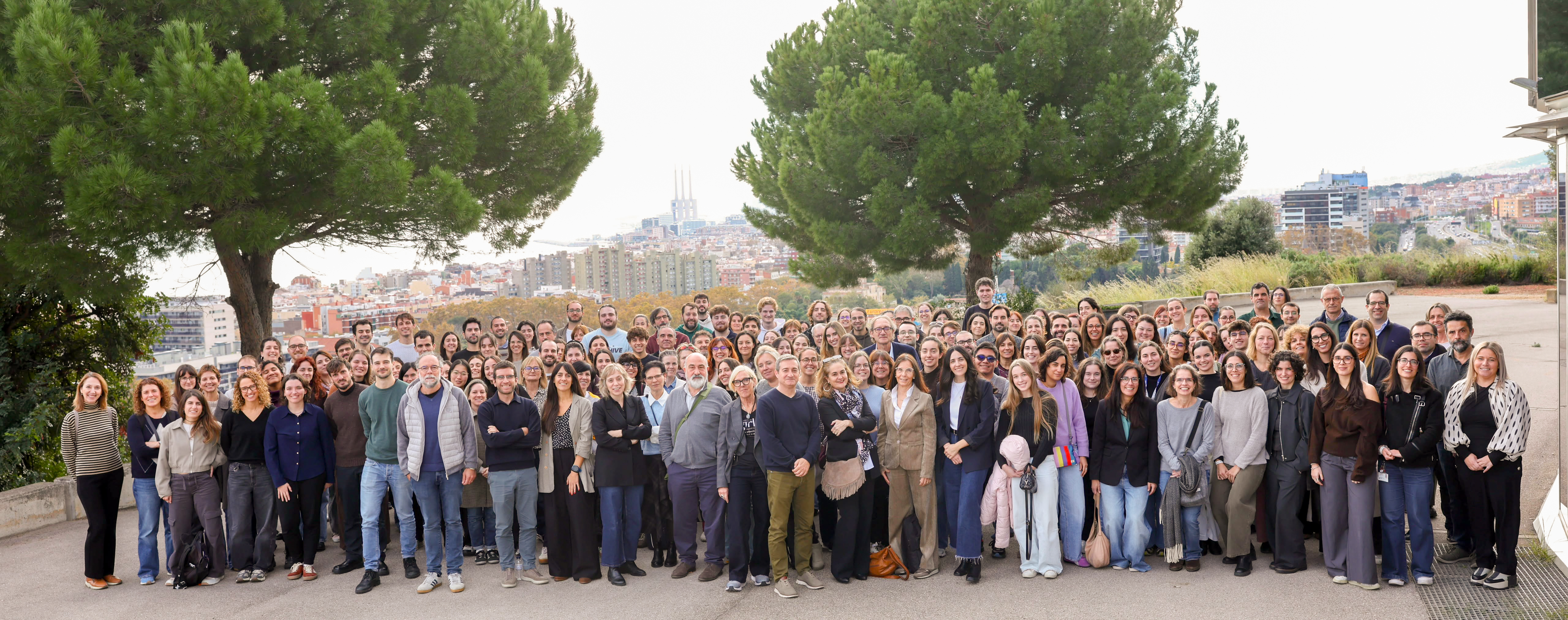
The Germans Trias i Pujol Research Institute (IGTP) held its annual symposium on 26 November at the Badalona International Business Centre (BCIN). The event brought together nearly 200 professionals from the IIS IGTP community for scientific exchange and reflection on how the different stages of research can be connected to improve people's health.
Under the theme From research origins to outcomes, this year's symposium focused on the journey of research projects, from the first scientific questions to the translation of findings into clinical practice and public health. This approach reflects the Institute's translational mission and highlights the importance of collaboration across disciplines and institutions in addressing health challenges.
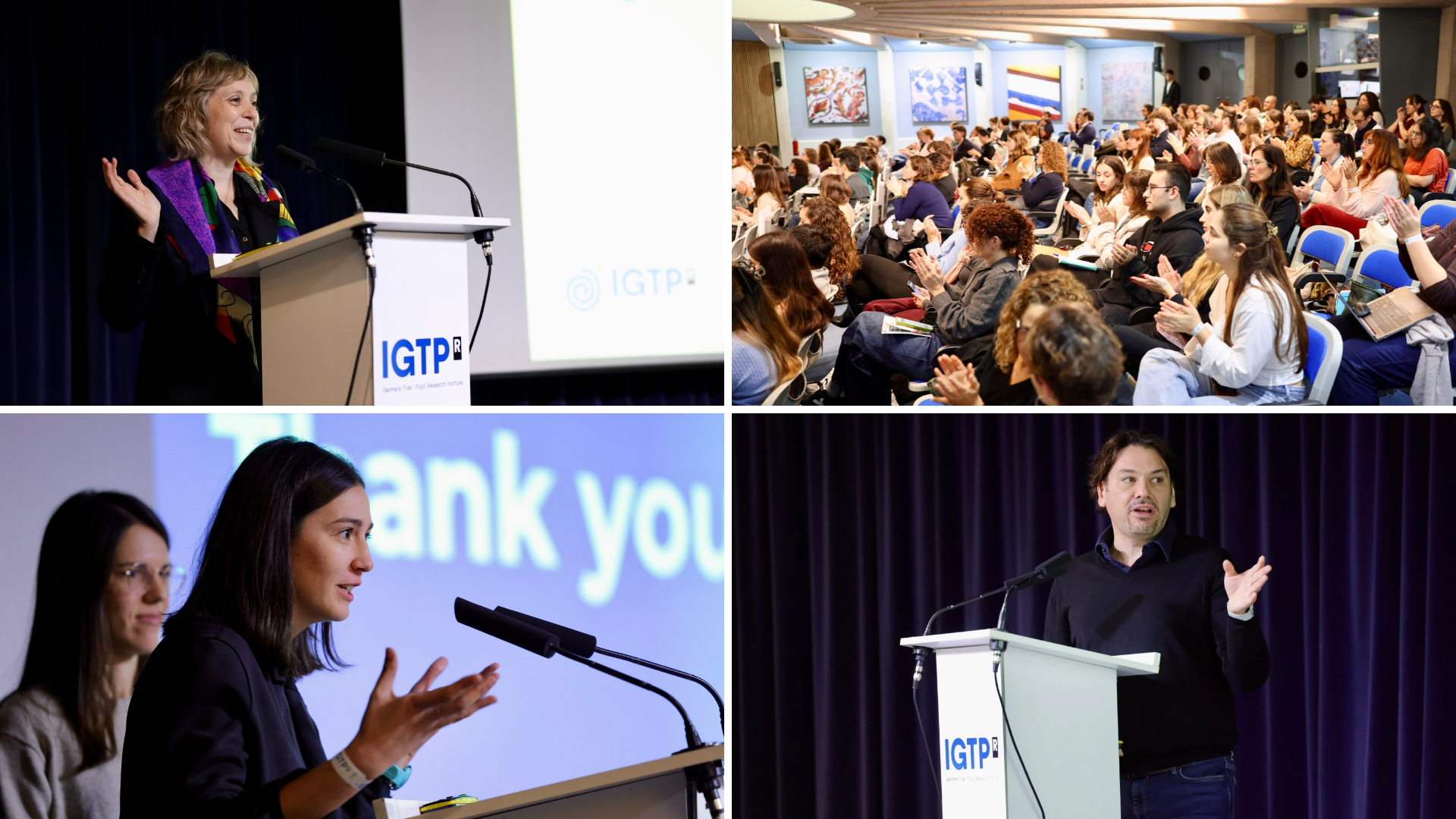
The welcome session was delivered by Julia García-Prado, IGTP scientific director, who opened the symposium by highlighting the importance of sharing knowledge and fostering closer ties between research teams across the IIS IGTP. "With this symposium we want to highlight the potential of the scientific ecosystem of the Can Ruti Campus to connect the different stages of research, promote interdisciplinary collaboration and generate ideas with impact. One of the great challenges of the future is to take advantage of the opportunities offered by tools such as artificial intelligence to accelerate biomedical research and make its advances reach patients faster", she noted.
From ideas to health outcomes
The scientific program was structured in three sessions, each representing a complementary stage of the research process: basic research, as the starting point for new questions and discoveries; translational research, which bridges the gap between knowledge and innovation; and clinical and population research, which focuses on assessing its impact on patients and the community.
The three sessions included a total of twelve short talks, selected from the submitted abstracts, covering a wide range of topics, from the identification of new therapeutic targets and the development of treatments to the study of disease mechanisms, research into prevention and epidemiological surveillance, and the development of new tools for patient diagnosis, monitoring and rehabilitation. This format provided an opportunity to share projects at different stages of development and bring together scientific approaches that could help address the same health challenge.
The event featured a keynote lecture by Simone Balocco, associate professor in the Department of Mathematics and Computer Science at the University of Barcelona, entitled "Is AI a reliable assistant for the physician?". The lecture explored the potential of artificial intelligence to support medical practice, as well as its capabilities and limitations in supporting diagnosis and clinical decision-making. Balocco emphasised the importance of developing trustworthy AI models: "The AI should be able to also tell you why it took that decision". He also highlighted the importance of communicating uncertainty: "It's not just a score, it's also the ability to provide us the uncertainty when it's not able to provide the correct answer".
The program also featured a session dedicated to GCATalog, the interactive resource catalogue developed by GCAT|Genomes for Life, led by project members Natàlia Blay and Rocío Estéfano. This new web-based tool, which will be made openly available to the scientific community, will enable users to explore data from the GCAT cohort through different modules, covering aspects such as demographics, disease prevalence and the presence of specific genetic variants.
A shared space to drive clinical and population research forward
The poster sessions and networking spaces encouraged interaction and knowledge exchange among participants, while an interactive activity tested their knowledge of the IIS IGTP's transversal research programs. These activities helped showcase the diversity of research taking place across the Institute and the opportunities for collaboration within its research community.
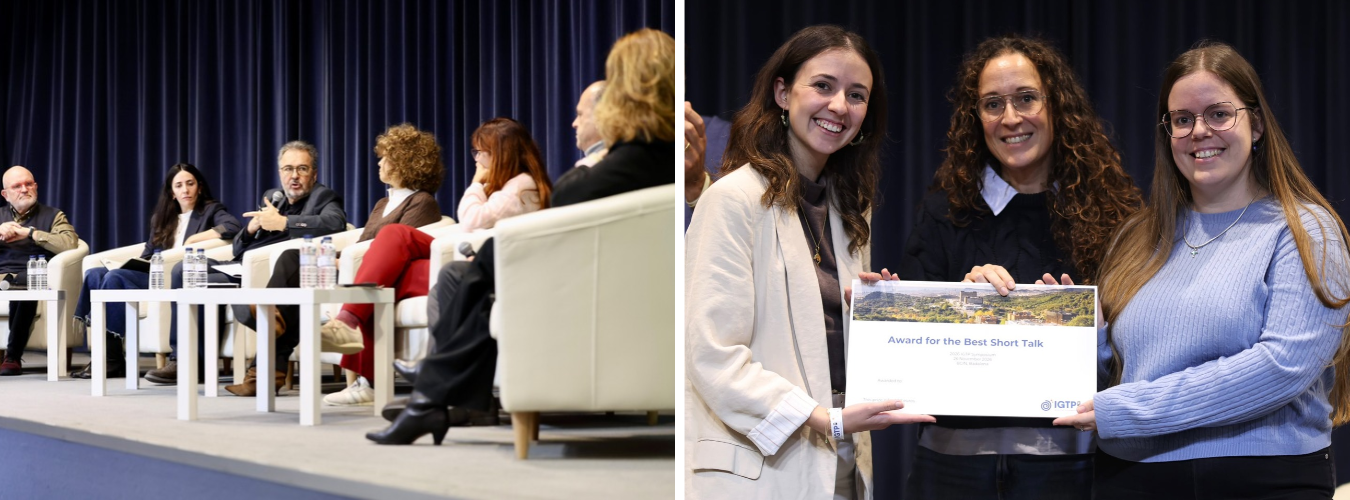
The symposium continued with a round-table discussion moderated by Cristina Vilaplana (HUGTiP-IGTP), which addressed the challenges and opportunities facing clinical and population research with the aim of exploring how to facilitate the transition from scientific knowledge to healthcare practice. The discussion brought together Antoni Plasència, director general of Health Research and Innovation at the Department of Health, alongside Macarena Herranz (ICS), Cristina Casanova (HUGTiP-IGTP), Jose Luis Manzano (ICO-IGTP), Susana Muñoz (Fundació Lluita) and Sebastià Videla (HUGTiP-IGTP).
They shared different perspectives on the challenges of balancing clinical practice and research, highlighting the need to protect time dedicated to research, recognise research activity in career development and strengthen institutional support structures. The discussion underscored the importance of integrating research and innovation into clinical practice as essential elements in improving healthcare.
Recognition of research talent
The final part of the symposium included awards for the best short talk, the best clinical research abstract and the best poster, as voted for by the audience.
The award winners were:
- Best poster (audience vote): Eric Casellas Sanfelix, for his work Study of the CGG interruptions in myotonic dystrophy type 1 with long-read genome sequencing technologies.
- Best clinical research abstract: Antoni Escalas (Impact of the TB-SEQ project: four years of tuberculosis genomic surveillance in Catalonia reveal new dynamics of lineages, resistance, and transmission)
- Best short talk (joint winners): Paula Goncalves (Novel therapeutic target for pulmonary fibrosis: signaling via CB1/2-AG axis in lung fibroblasts) and Iris Romero (Staphylococcus aureus and micronanoplastics: impact on respiratory infections)
The Scientific Committee of the symposium:
- Mario Martin, Centre for Epidemiological Studies on HIV/AIDS and STI of Catalonia (CEEISCAT), ICO-IGTP, CORE Program
- Ramon Bartolí, Translational Research in Hepatic Diseases, IGTP
- Cristina Casanovas/Miguel Angel Jorquera, NURECARE, HUGTiP, IGTP
- Marcel·la Franquesa, Research in Kidney Affecting Diseases Group (REMAR), IGTP, PATH Program
- Noemí Párraga, Clinical and Environmental Infectious Diseases Study Group (CEID); IGTP, CORE Program
- Santiago Roura, Heart Failure and Cardiac Regeneration (ICREC), IGTP, PATH Program
- Marc Cucurull, B·ARGO, ICO-IGTP and CARE Program
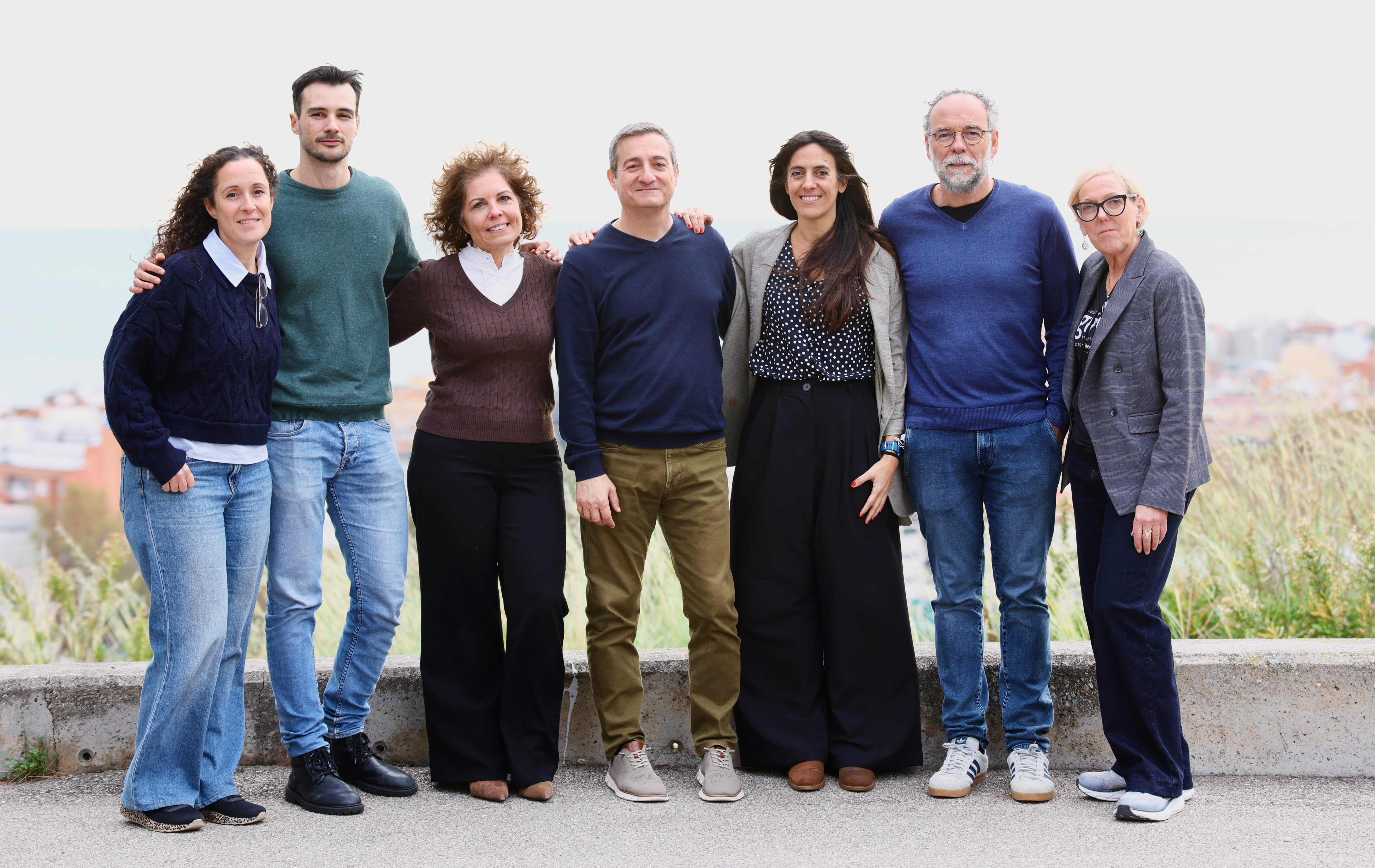
- Julia García-Prado, Scientific Director IGTP, Viral Immune Evasion and Vaccines Group (VIRIEVAC) IrsiCaixa